
Remembering Richard Lehman
(1950-2026)

Richard Lehman died two weeks ago. His was a unique and necessary voice in academic medicine, and also a witty one.
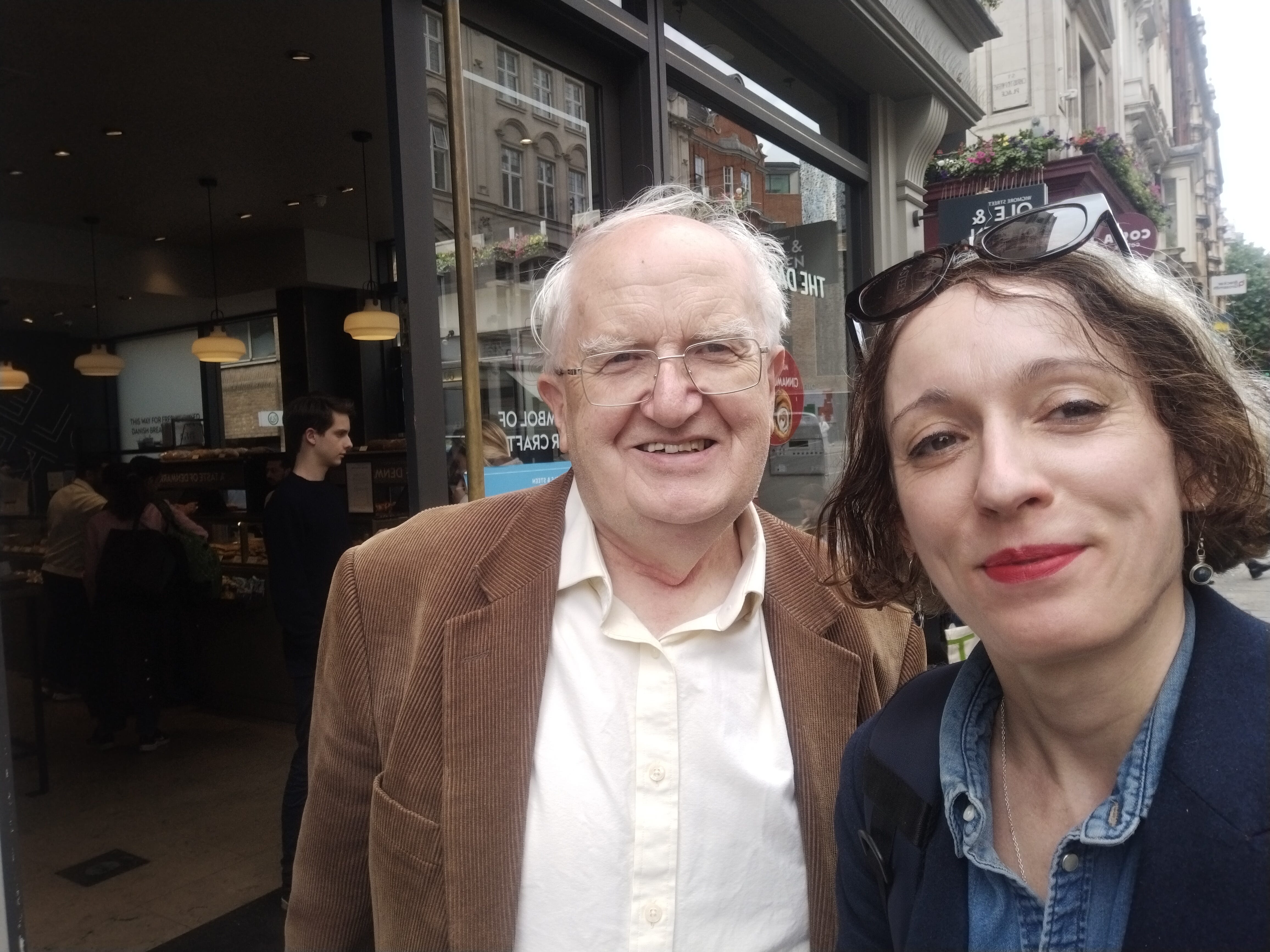
Our first meeting in London.
I knew nothing of Richard Lehman until he revealed himself to me. First he contacted me via Twitter and then over email. Richard had agreed to peer review my Dr Bot manuscript for Yale University Press. But rather than remaining at the polite professional distance that often goes with peer review territory, he submitted his feedback, and later contacted me to discuss the book. We were in routine, regular contact ever since.
Over the last two years, I got to know Richard Lehman. He was a grammar school boy from Sheffield, Oxbridge educated, who became a GP for thirty-five years. Long associated with the BMJ as a weekly columnist, he was later affiliated to the University of Birmingham and then King’s College London. It is no exaggeration to say that he became one of my closest academic allies and one of my book’s most serious medical champions. He also recognized that a book like this, and outsiders to the medical profession like myself, needed support for their ideas to push through. Yet he was generous, consistent, and up for intellectual challenges.
Richard, who spoke with a soft Northern accent, was a true connector of people, somebody who seemed to know everybody worth knowing and who actively brought people together rather than hoarding his networks. He led three BMJ analysis articles on generative AI in 2025 connecting a core group of us. He wanted serious, open-minded discussion. Through him I met new colleagues and collaborators, including David Navarro, Marcus Lewis, and Sylvie Delacroix, among others. Richard did not merely introduce people by email and disappear - he cultivated intellectual friendships and encouraged us to work together and to meet.
Richard was also very active on social media, particularly Twitter/X, where he was unafraid to say plainly what he disliked. In conversation, he moved easily from serious to light, and his views on character, professional behaviour, and pomposity were apparent. Richard wasn’t so much catty as socially observant. He had little patience for academic status games, and if he thought something was foolish he would say so - with the kind of dry wit that crackled.
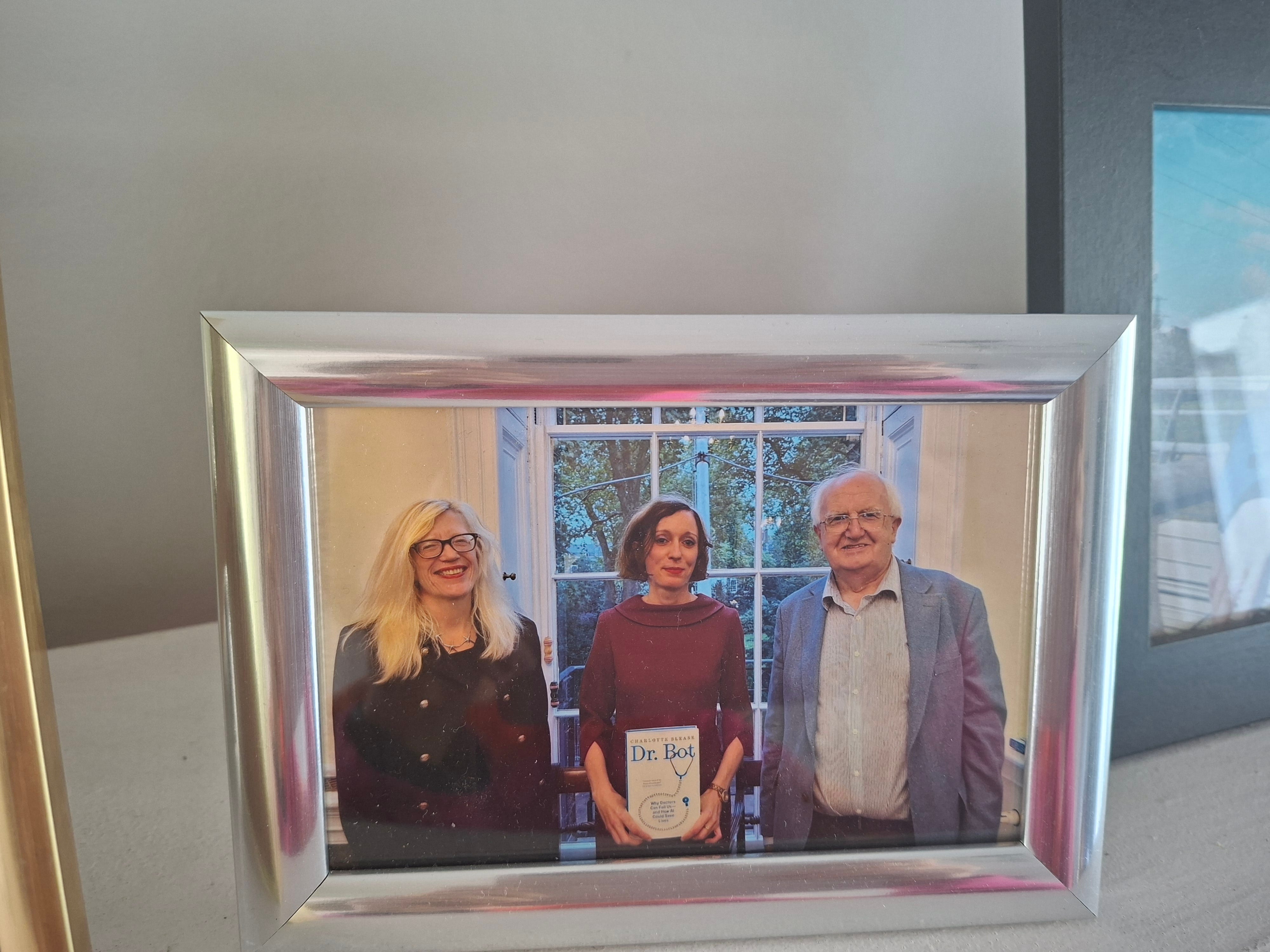
Pride of place in my living room bookshelf since September 2025. Richard together with Heather McCallum.
At the same time, he was extraordinarily sensitive and also kind. When Dr Bot was launched at Yale University Press, in London in September 2025, Richard agreed to lead the speeches, at very short notice. That evening there was torrential rain and a Tube strike across London, conditions that would have given most people a perfectly reasonable excuse not to come. Richard not only arrived, he texted me en route to reassure me of his whereabouts. More even than this, he rallied his colleagues, and brought an entourage with him.
Throughout our friendship, he spoke openly with me - very quickly and on several occasions - about grief. This was never awkward, in fact it was refreshingly natural and welcome. Richard had lost his wife Sue in recent years, and knew that I had lost my own partner to cancer. There was an easy understanding between us on such matters that did not require much small talk, explanation, or false etiquette.
When we spoke on the phone only a couple of weeks ago, he told me about his illness and his fears. Yet even during that conversation he seemed to rally. Enthusiastically, the next day, and the following ones, Richard emailed about new projects. His mind always seemed to be whirring and plotting. During that final conversation, I assured him we would meet in July when I was back in Oxfordshire. Perhaps it was natural to take for granted that the conversations would continue. But I regret that assumption.
Richard will be fondly remembered by all of his friends, including across medicine and academia, and by the many people whom he encouraged - without expectation of anything in return.
My deepest thoughts are with his children, his family, and all those closest to him. Richard, my friend, you will be missed.
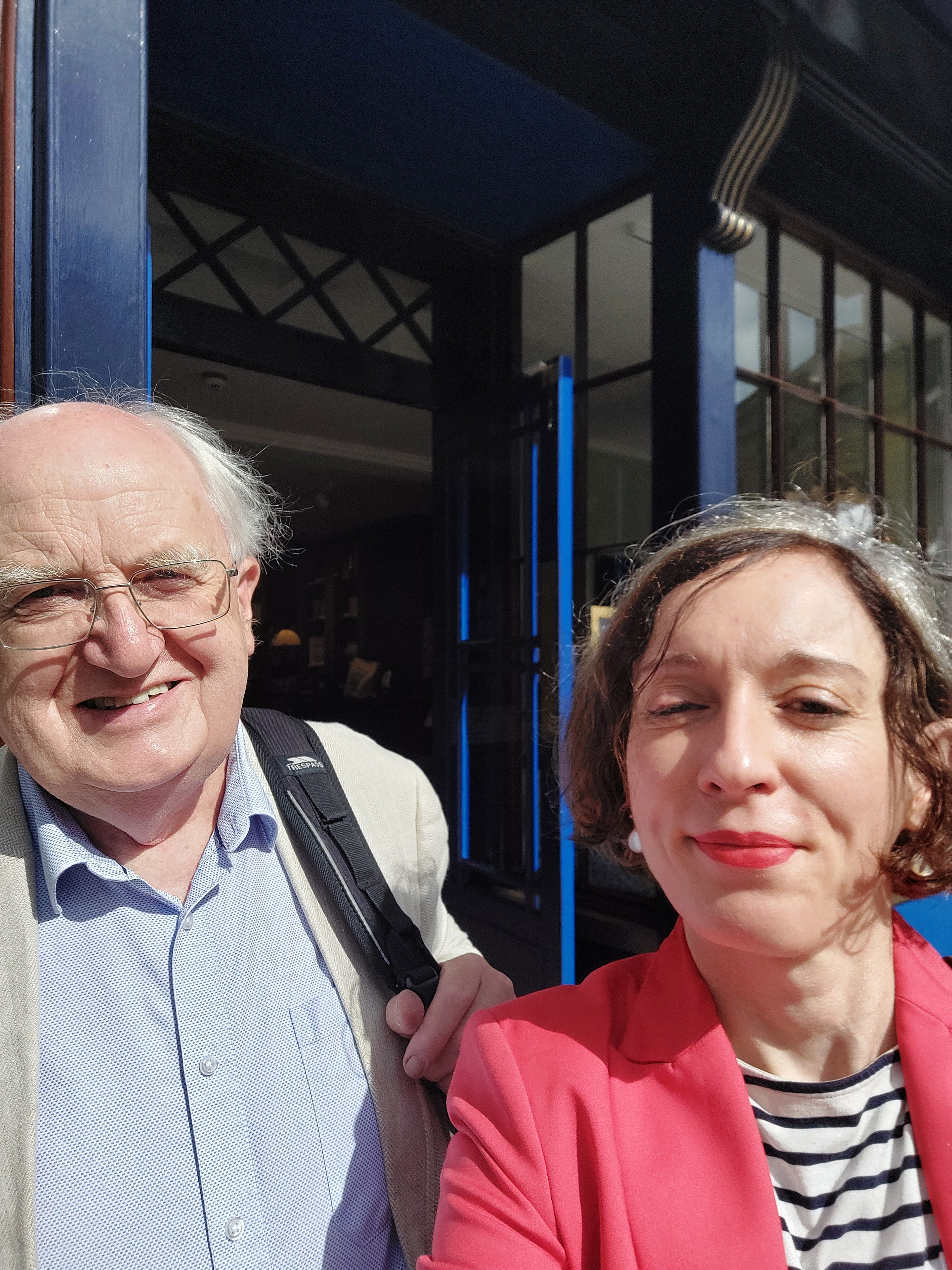
“Shall we get a selfie, Richard?” “Go on then”. A sunny memory and happy day in Oxford together.